Member-only story
The Most Valuable Business Analysis Technique Is Not a Technique: It’s Adapting to the Needs of Your Audience
How to select the best technique to get the message across


When we say “business analysis”, most of the time we hear “documenting requirements”, or, more recently, “user stories”. Capturing requirements — in documents or user story format — is central to a business analyst’s job, but thinking only in these terms is quite limiting.
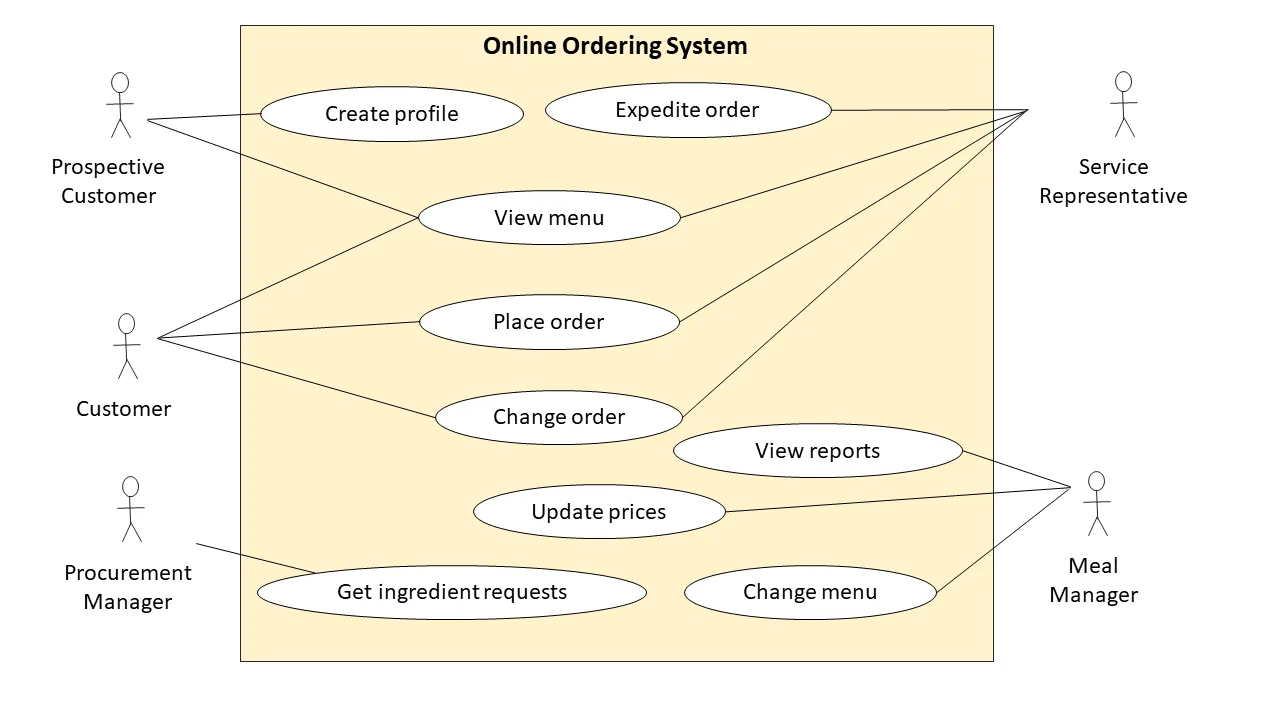
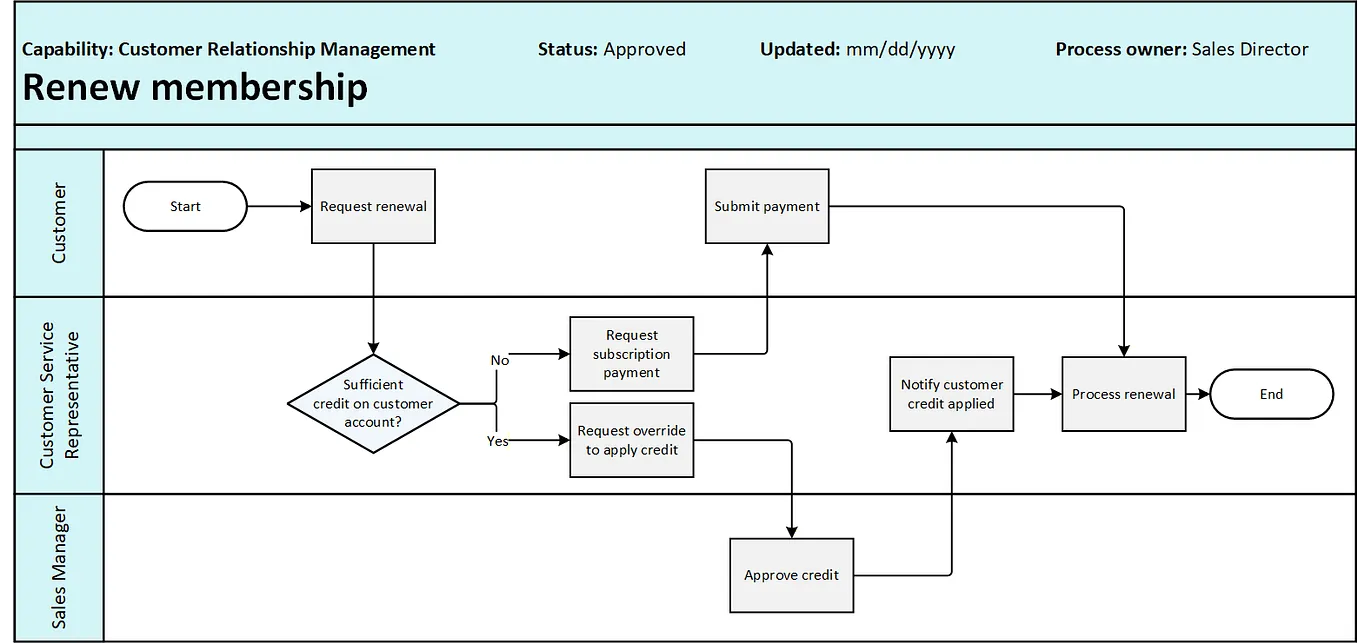
To get to an agreement of what future state should be like, we need more. Models, diagrams, storyboards, scenario matrices, decision tables and business rule sets all supplement the words and help create a coherent, structured and multi-dimensional picture of a future solution.
What’s wrong with simply writing a user story after the user story?
People vary in how they learn and absorb information. Visual, auditory, reading/writing and kinesthetic learners have different needs.
We should expect that business analysis stakeholders, like human beings in general, also benefit when information gets to them in their preferred format.